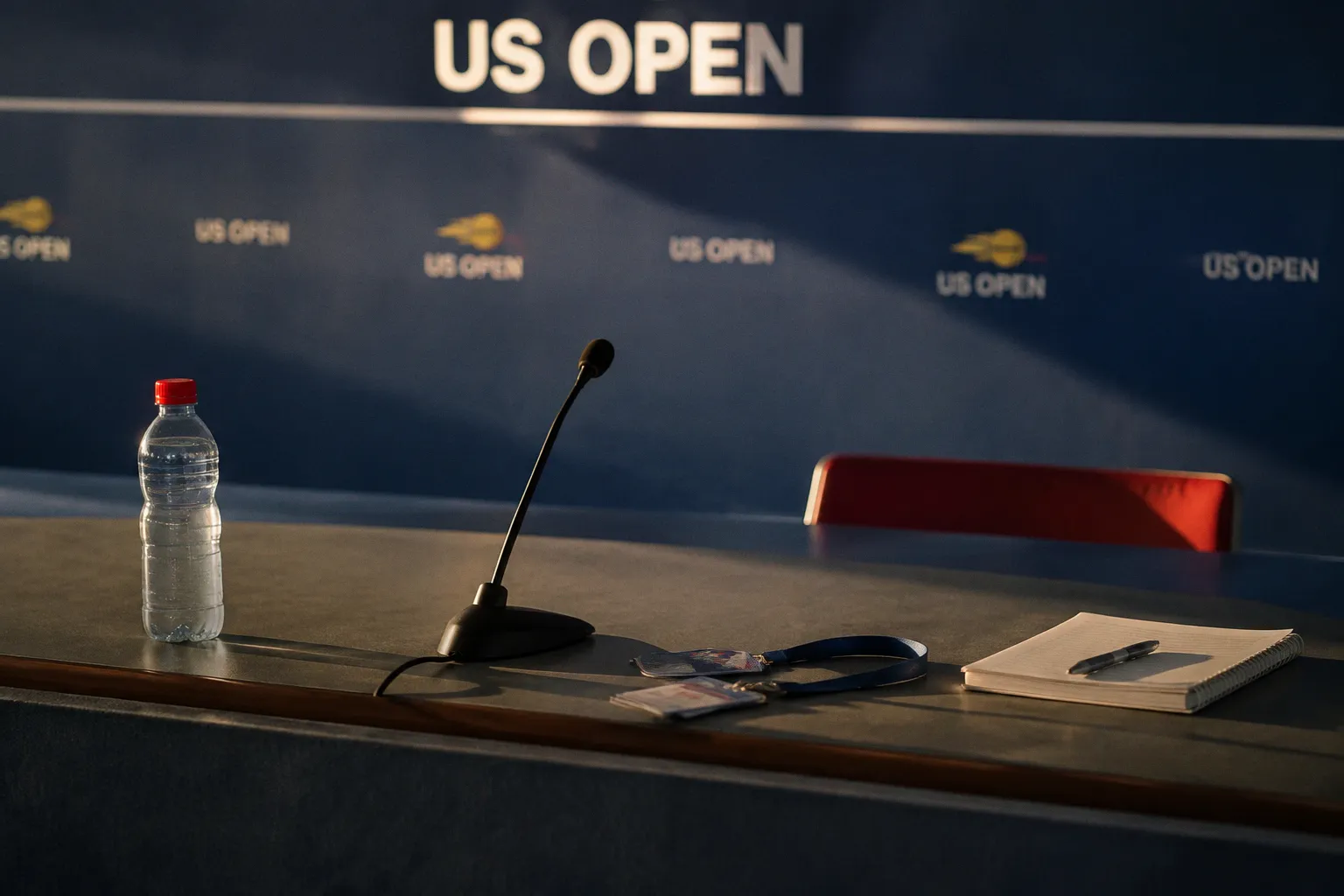
1, found herself in a press conference where a question about her pre-tournament schedule—a week populated with sponsor appearances for brands like Gucci and Material Good—was framed around "lots of parties and fun." Sabalenka’s response was a terse correction, a friction-filled moment where the athlete’s reality of careful energy management collided with a perceived assumption of frivolity. The reporter, Matthew Futterman, later claimed on social media that Sabalenka and her agent texted him to apologize for the heated exchange.
The texture of the incident reveals more than a simple misunderstanding. Sabalenka’s rebuttal—"Parties? Fun? Why would you even say that?"—was a defense of her professional structure. She has previously explained these commitments as a hobby integrated into her tennis schedule, a source of energy rather than a drain. The clash underscores a persistent tension in modern tennis: the public image of a champion is a mosaic of on-court grit and carefully managed off-court obligations. When the latter is framed through a lens of perceived leisure rather than strategic partnership, the response from the athlete can be as sharp as a line-hugging forehand.
For a player on the cusp of history—seeking to become the first woman since Serena Williams twelve years ago to win three straight US Open titles—every ounce of focus is a defended territory. The "think before you say stuff" retort wasn't just a dismissive quip; it was a glimpse into the mental perimeter she maintains. This exchange, though brief, adds a layer of context to her title defense, illustrating the sometimes-fractious dialogue between a star managing an empire and the press charged with covering it. It’s a reminder that the court’s pressure extends far beyond the baseline.