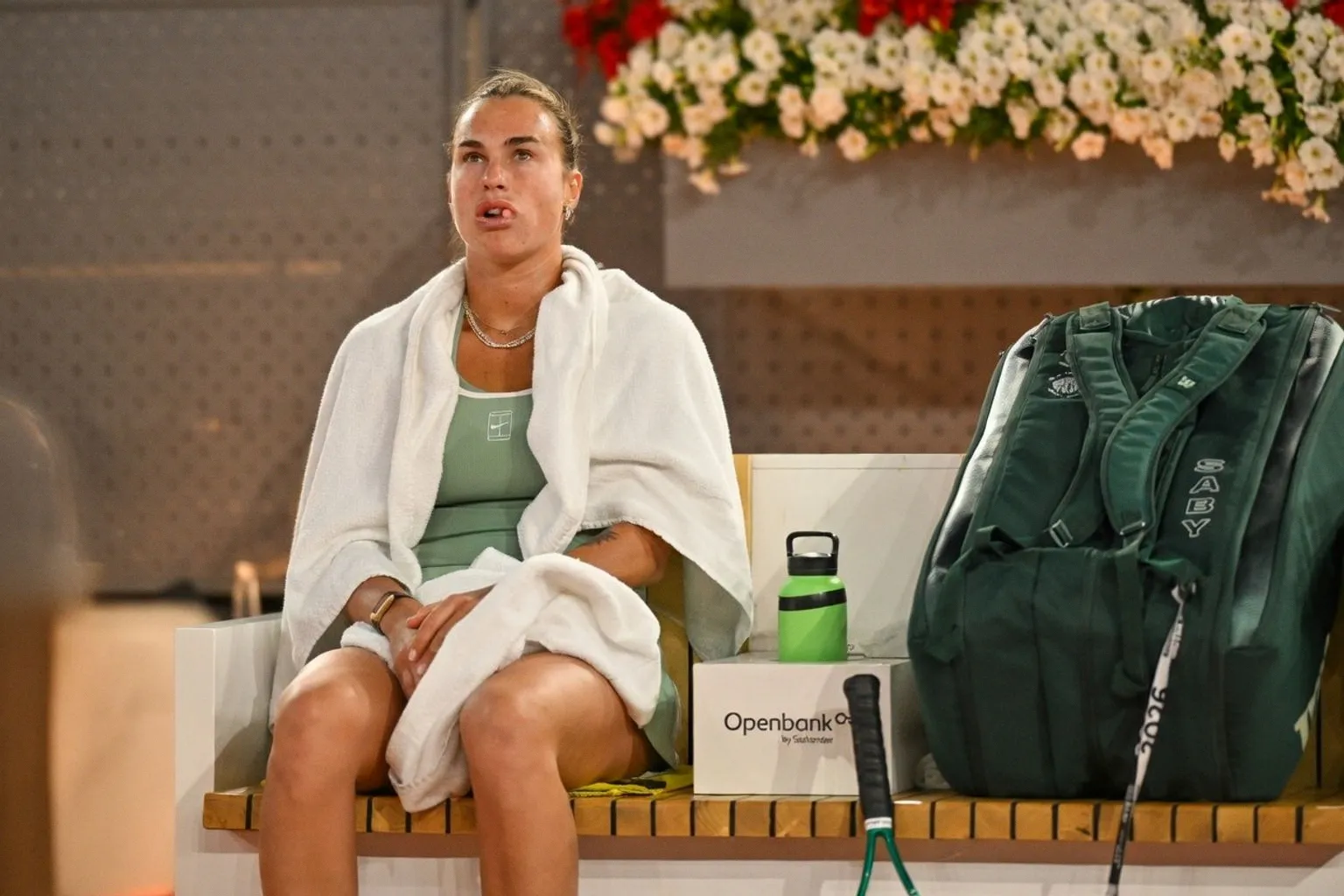
By the time Aryna Sabalenka finished her answer in the press room beneath Arthur Ashe Stadium, what had looked like scattered energy from the outside resolved, in her telling, into something closer to a deliberate rhythm — a schedule built around the tennis, not in spite of it.
The Press Conference Pivot
Sabalenka's reply — as relayed by Essentially Sports — cut through the framing with the same directness she brings to a forehand down the line. Attending brand events, she explained, is genuinely enjoyable to her — a hobby outside the daily grind of training and match play, chosen carefully, and arranged so that it adds to her reserves rather than pulling from them. She pushed back on the premise itself: the entire week in the city had been planned around her tennis, and the surrounding commitments only fed her focus. A separate remark to Sky Sports Tennis after the win carried a sharper grain — about the "miserable haters" she has learned to filter out, about staying loyal to her own choices. It read less like a defense than a statement of how she intends to manage the static that now travels with the No. 1 ranking.
The Week Behind the Words
The calendar that prompted the question was dense by any honest measure. Sabalenka paired with Novak Djokovic in the US Open's revamped mixed doubles draw, and the duo bowed out in the first round — 1-4, 4-2, 10-2 against Katerina Siniakova and Henry Patten. Off the courts, she stopped at Material Good's SoHo flagship wearing a set of colorful gemstones reported to be worth roughly $330,000, and was announced as the new global brand ambassador for Moroccanoil. None of it is incidental — these are the connective scaffolding of an elite career now, and Sabalenka is making clear that she, not the calendar, decides who gets a piece of her week.
The Counterpoint Worth Tracking
Not everyone reads it the same way. Former champion Boris Becker has argued that Sabalenka's expanding footprint online and at events may be eating into the quiet, repetitive hours that sharpen a practice court — a fair question to raise in a sport where the gap between winning and losing a tight third set is often a matter of conditioning and concentration. Whether the rhythm she describes actually holds will not be settled in a press room. It will show up in the late evenings of the tournament — the kind of sessions at Flushing Meadows where heavy legs and a wandering mind decide everything. Watch the second week, and watch the body language after the long ones. The schedule will answer for itself.