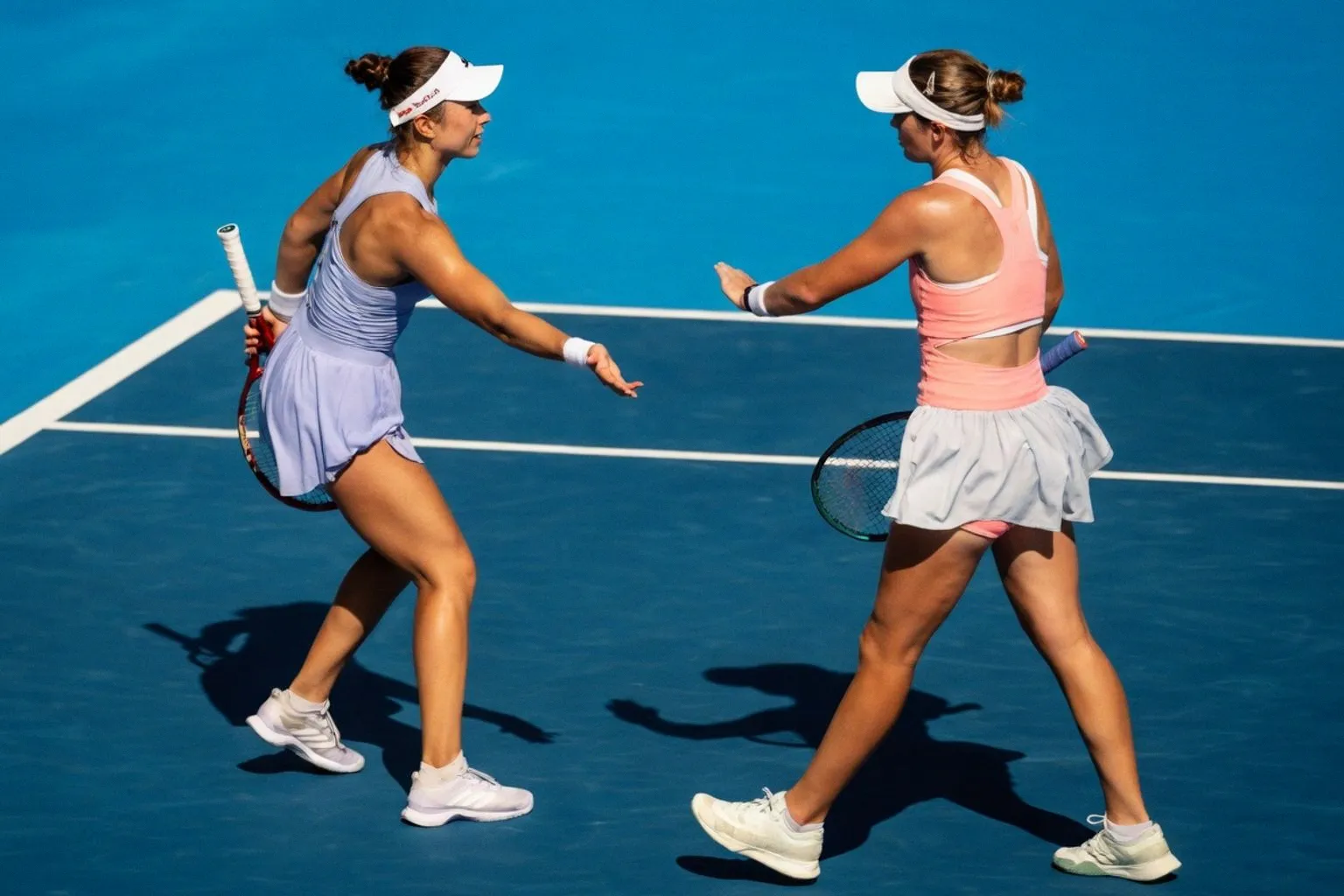
News arrives from the sport's apex that the four major tournaments have collectively established a new player advisory council, a development reported to give athletes a more direct voice in shaping the events that define their careers and legacies. This formalization of dialogue, coming amid broader conversations about prize money and scheduling, speaks directly to the evolving physical and financial realities of competing on the sport's most demanding surfaces.
A New Channel for Court-Side Voices
The formation of this council acknowledges a simple truth: the player experience at a Slam is uniquely grueling. The weight of a two-week best-of-three-set campaign, the specific grit of each host city's clay or the slick tension of its grass, the atmospheric density of a night session on Ashe—these are realities best understood by those who endure them. While the precise composition and mandate of this new body remain to be detailed in full, its creation suggests a structural attempt to weave that ground-level insight into the tournament fabric itself, moving beyond occasional feedback to a more consistent, formalized conversation.
The Ranking Reflection
This shift in governance occurs against the backdrop of the sport's constant, numerical heartbeat: the official rankings. The WTA's rolling list of player bios, stats, and positions is, in its own way, a historical document—a daily snapshot of who is mastering the physical challenges of the tour. Each name on that list represents a strategy built upon a particular understanding of friction, endurance, and tactical adaptation. To follow the rankings is to follow the silent, relentless erosion of one style of play by another, as the circuit's surfaces and schedules exert their selective pressure.
What This Means for the Connoisseur
For the dedicated observer, these two streams of news converge. A player council at the Slams could, over time, influence the very conditions that shape those rankings: the speed of the courts, the rhythm of the calendar, the allocation of resources. It introduces a new, human variable into the equation of professional tennis. As these discussions unfold, the truest test will be whether they translate into tangible, felt differences for the athletes—the subtle shift in ball bounce after a surface is recoated, the slight relief in a season's schedule, the palpable change in tension when a player knows their lived experience has been formally heard.
One to watch is how this formal advisory channel interacts with the sport's established rhythms. The dialogue between the guardians of the sport's greatest arenas and the players who walk their sacred grounds has always existed; now, it has a designated room.