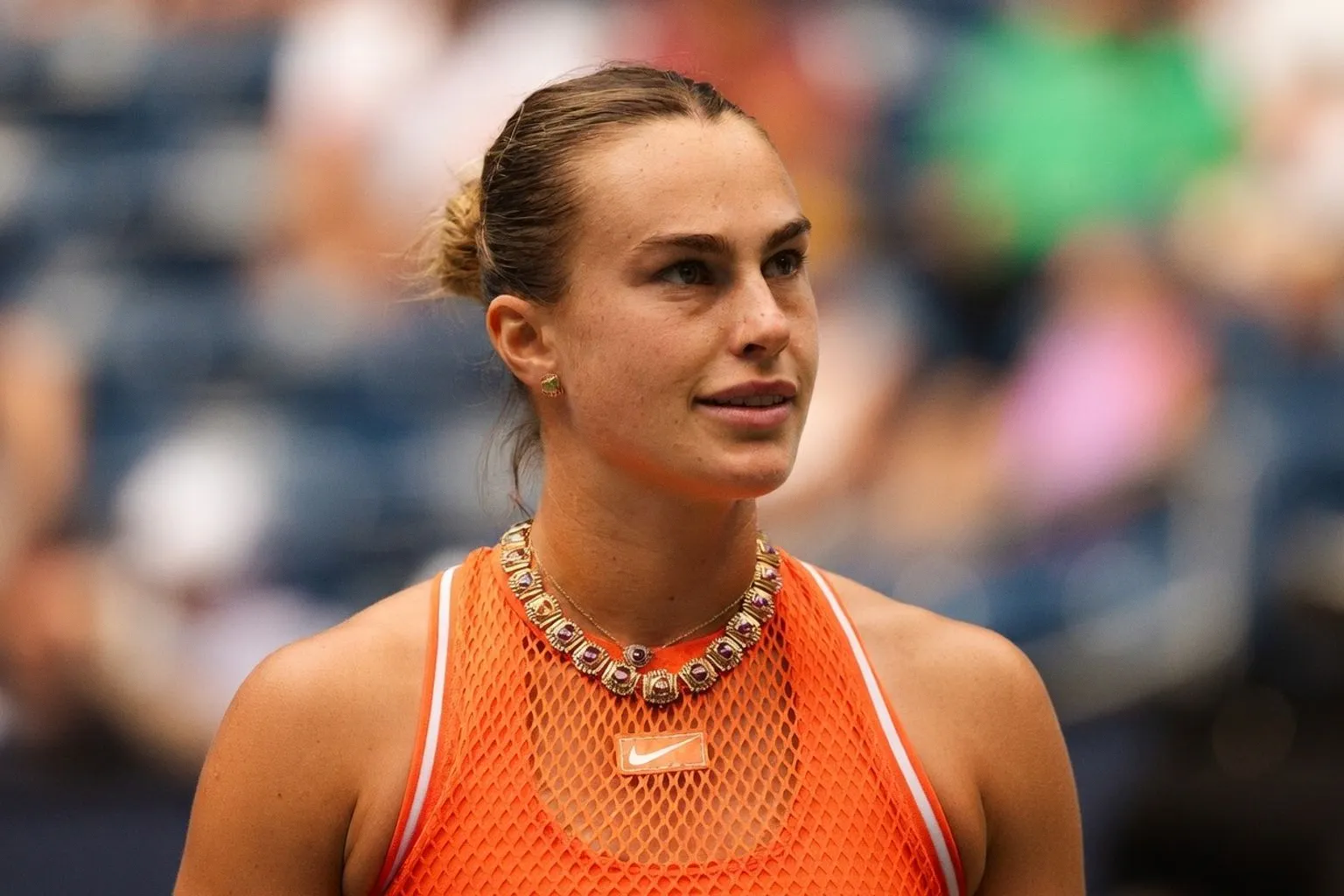
Aryna Sabalenka didn't need to look far for validation. After dismantling Kamilla Rakhimova 6-3, 6-4 in the US Open third round, the World No.1 did what elite athletes rarely manage in public—she agreed out loud with a rival's diagnosis of the sport's structural rot. According to motorcyclesports.net, Sabalenka endorsed Carlos Alcaraz's blunt assessment that the tour calendar has become physically untenable, effectively drawing a line in the sand between the players and the very governing bodies that profit from their exhaustion.
The facade is cracking
Alcaraz set the template after dispatching Jaime Faria in four sets. His confession was refreshingly devoid of the usual corporate polish: "It's simply impossible to play every tournament," he said, then announced a one-to-two-month hiatus to dodge the injury risks embedded in an 11-month season. Sabalenka, never one for diplomatic hand-wringing, matched that candor in her own presser. "I would love to see changes in the schedule and to cut out the mandatory events and let the players decide what's better for our health," she told reporters, adding that playing at the level "Carlos is playing" makes the body "very tricky" to manage. The subtext is unmistakable—two of the tour's biggest draws are essentially threatening to walk, or at least to bleed ranking points, if the ATP and WTA keep cramming the calendar with mandatory stops like the newly expanded 12-day Canadian and Cincinnati Opens. Sabalenka even confirmed the nuclear option without flinching: "If they're not gonna cut it, we'll have to sacrifice points, ranking position, whatever, in order to protect our bodies." That's not a complaint. That's leverage being brandished.
Attrition, not ambition, is the real opponent
What's revealing here is the psychological arithmetic. Both players are deep into a US Open run—Alcaraz has already navigated past Wu Yibing and now eyes Tommy Paul while chasing a third title of 2026; Sabalenka prepares for Taylor Townsend in the fourth round, hunting a fourth trophy—and yet their post-match thoughts drift not toward silverware but toward survival. Sabalenka herself skipped the Canadian Open and mandatory WTA 1000s in Doha and Dubai last season following her Australian Open final, quietly proving the very point her words now make loudly. The cognitive load of a 12-month sprint isn't purely physical; it's the mental bandwidth drained by constant travel math, constant recovery protocols, and the constant awareness that any lapse in maintenance shows up immediately on a scoreboard. Her own ranking tells the story—locked in by a Sunshine Double start in Miami but stalled at one semifinal since, a reminder that doing everything often wins you nothing in particular. Even the cannabis-odor interruption during her third-round match became, in her telling, a small parable for tour-wide overload: someone, somewhere, is always making the environment harder than it needs to be.
What to watch from the baseline
The real question isn't whether the tours will listen—history suggests they won't move until a star actually skips a Slam. It's whether Alcaraz and Sabalenka can hold this line through New York and into the off-season, or whether the gravitational pull of ranking points and appearance fees quietly absorbs their protest. Keep an eye on whether other top-ten names echo the call before the WTA and ATP Finals, and on whether the tours' response treats this as rebellion or a negotiating posture dressed in player-friendly language. The body language at the next mandatory stop will say more than any press conference ever could.