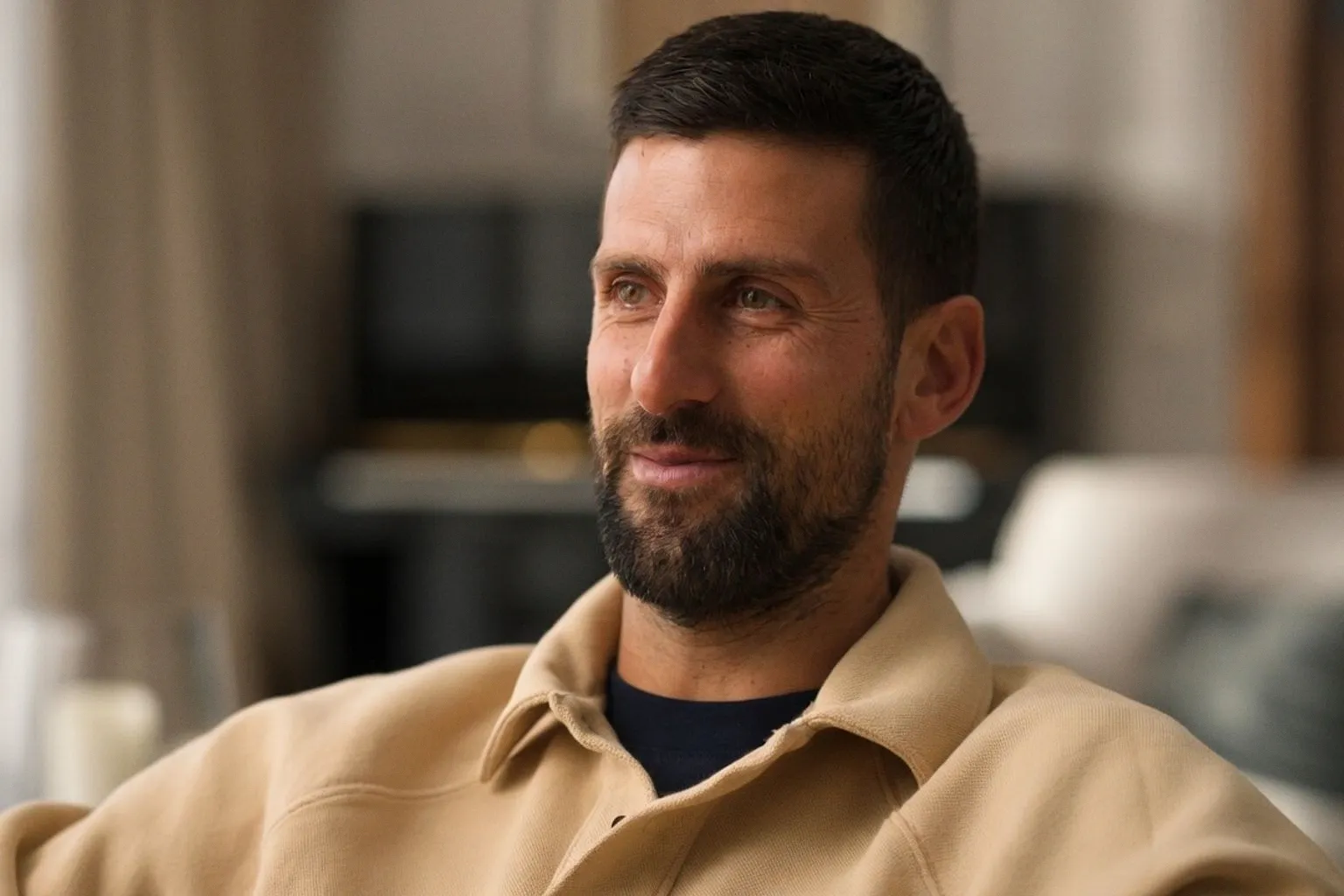
The documentary is also being presented as a place where Djokovic addresses speculation about retirement, giving the project a significance beyond another polished portrait of a famous champion.
For a player whose public image has always carried more friction than the usual sporting mythology allows, that is the right subject. Djokovic has never existed comfortably inside the neat packaging reserved for universally adored icons. The film’s real test, then, is not whether it can make him look formidable. That part requires no director. The test is whether it can examine the tension between dominance, doubt and the audience’s continuing desire to decide when his story should end.
The documentary’s sharper question
The headline from Vogue is unusually emphatic, calling the film the best tennis documentary in years. That is an assessment, not an established consensus, but it points toward what distinguishes this release from a routine career retrospective: the focus appears to be on Djokovic as a contested figure rather than merely a decorated one.
That distinction matters. A highlight reel can preserve the facade of control. It can show the titles, the celebrations and the familiar visual grammar of greatness. It cannot easily explain the cognitive load behind a career that remains subject to constant judgment, especially when the player himself is still being discussed in terms of an ending.
ubitennis.net identifies retirement speculation as one of the documentary’s central themes. That framing makes the film less about nostalgia than about unresolved competition. The question is not simply what Djokovic has already achieved. It is whether he still sees a version of himself capable of answering the next challenge—and whether anyone outside his own camp has the authority to declare that answer finished.
A rivalry with the audience
Djokovic’s place in tennis has always been more psychologically complicated than the scoreboard suggests. The public can admire a record and still resist the person who owns it. That contradiction is one reason a documentary about him has more dramatic material to work with than a conventional celebration of sporting greatness.
The danger, naturally, is that the film turns conflict into branding. “Misunderstood champion” is one of the oldest rehabilitation templates in sports media. It can produce sympathy without demanding much scrutiny. A stronger film would leave the discomfort intact: the player’s need to keep proving something, the audience’s impatience with unfinished careers, and the strange resentment that appears when an established narrative is interrupted by one more rival.
That is where the documentary’s value will be decided. Not in whether it flatters Djokovic, but in whether it allows the contradictions to remain visible instead of sanding them down into inspirational paste.
What to watch for
Yahoo Sports has focused on the practical side of the release, including where to watch, the release date and the trailer. Those details matter for viewers deciding whether to spend an evening with the film, but they are secondary to the larger question raised by the coverage: is this a document of a career, or an argument for its continuation?
The answer will depend on how directly the film handles retirement speculation and the psychological mechanics of an athlete who is still being measured against his own peak. Djokovic does not need another monument. He needs a film willing to show the attrition behind the facade, the stubbornness that can look like strength until it begins to unravel, and the rivalry that remains most difficult to escape: the one with the version of himself he has not yet defeated.