The announcement matters because it shifts the conversation away from the familiar facade of individual resilience and toward the structures surrounding athletes. But the available summary is notably short: it does not specify the measures, monitoring schedule, or organisations responsible for carrying them out.
The pressure is not confined to match day
The language of “system-wide action” is significant precisely because mental strain rarely arrives as a neatly isolated incident. In elite sport, the visible failure may be a collapse in decision-making, a sudden loss of emotional control, or a body that stops cooperating under accumulated cognitive load. The scoreboard records the symptom. It does not explain the machinery behind it.
That distinction is especially relevant to tennis, where the player is exposed for long stretches without a teammate able to absorb the immediate pressure. Yet the IOC statement, as presented in the supplied material, does not claim that tennis requires a separate model. It calls for a broader response across sport, with regular monitoring rather than occasional attention after a crisis has already become impossible to ignore.
That is the difference between support as a slogan and support as a system. The former appears when the athlete is visibly unraveling. The latter is supposed to notice the attrition before it becomes public theatre.
Injury and recovery add another layer
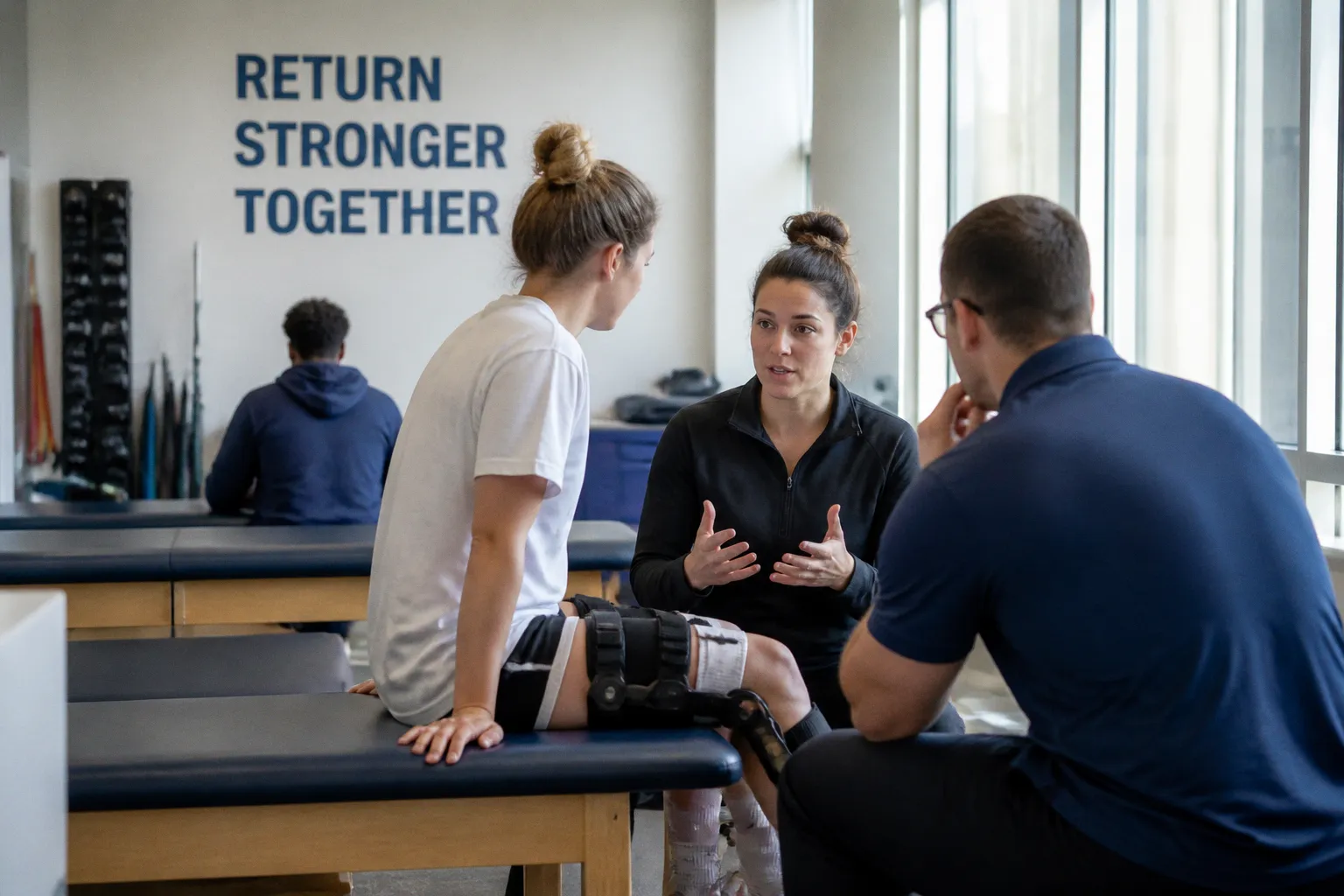
Two other source summaries place the issue in the context of returning from physical injury. Sanford Health News reports on regional teamwork easing an athlete’s second torn ACL journey, while the Trinidad Guardian highlights the intersection of mental health and physical injuries during a return to play.
The available information does not provide the athlete’s name, the details of the rehabilitation, or any measurable outcome. It does, however, establish the editorial connection: physical recovery and mental health are being discussed together, not as separate chapters in an athlete’s story.
That matters because a return is often presented as a clean timetable. The body is repaired, the player competes again, and the narrative moves on. The psychological reality can be less cooperative. Even without claiming details absent from the reports, the three-source cluster points toward a more demanding question: what exactly is being monitored when an athlete comes back?
A medical clearance is one kind of milestone. Confidence, stress, fear of recurrence, and the ability to tolerate competitive pressure belong to a different part of the equation. The supplied evidence does not say how the IOC intends to measure those factors. That gap should not be filled with invented certainty.
What to watch next
The useful test for the consensus statement will be whether “system-wide action” becomes identifiable practice. Readers should look for three things in future reporting: who is responsible for monitoring, how regularly it is meant to occur, and what happens when concerns are detected.
The same scrutiny applies to injury comebacks. Does the process describe only physical readiness, or does it also address the psychological burden of returning after a serious setback? Are athletes monitored after the first appearance, when the ceremony of the comeback has faded and the competitive friction returns?
For now, the IOC announcement is a signal rather than a complete blueprint. Its importance lies in naming a problem that sport has often preferred to treat as private damage. The next move is less glamorous: turning concern into routine, and routine into accountability. Without that, “system-wide action” risks becoming another polished phrase hovering above the same old pressure.