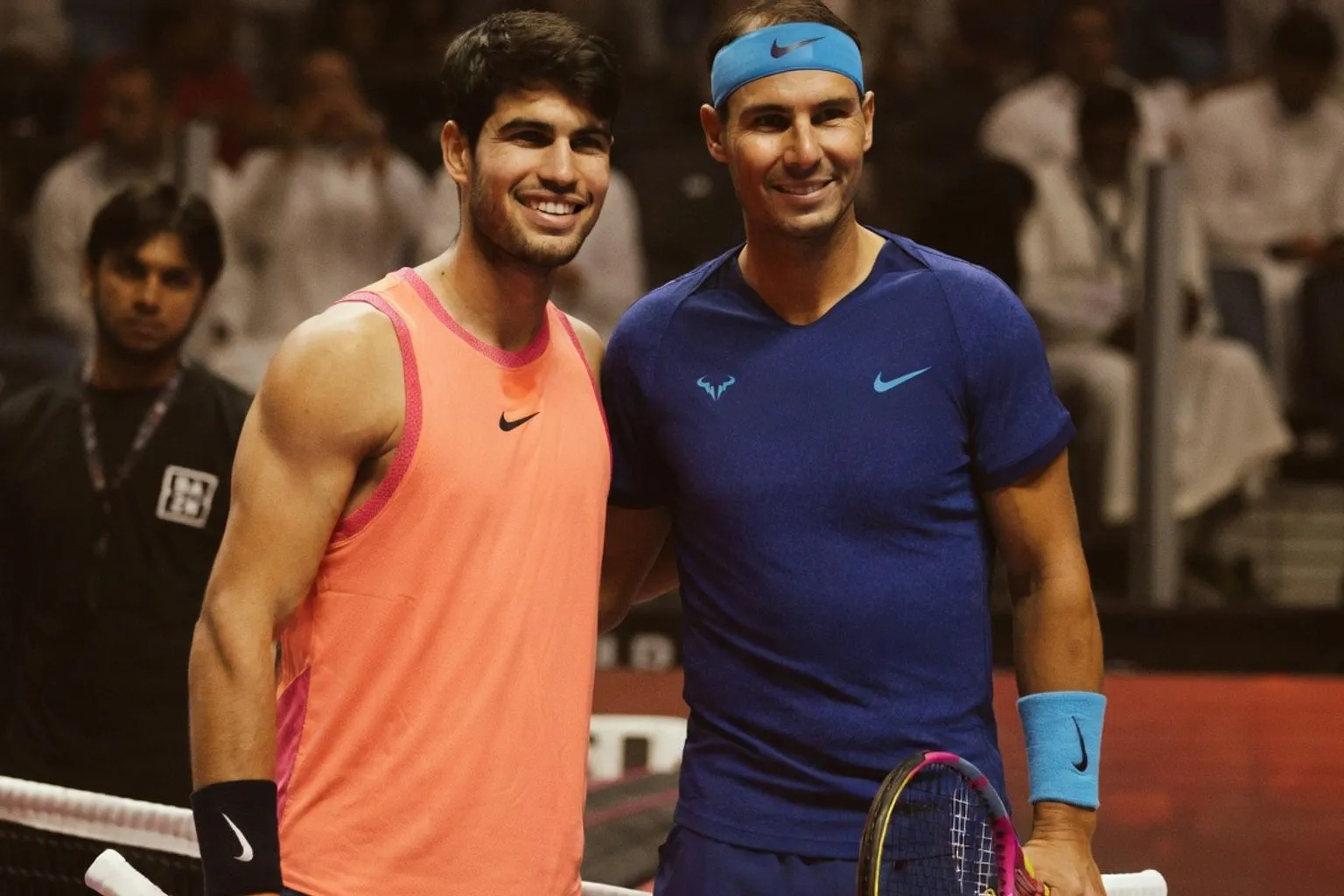
The ceremonial comeback, per olympics.com, comes with a familiar asterisk — Federer has reportedly ruled out a full competitive return, citing "way too many obstacles" blocking any real restart. Meanwhile, Carlos Alcaraz and Jannik Sinner — the two men most often cast as the sport's spiritual heirs — are both reportedly managing injuries. The timing isn't poetic. It's diagnostic.
The Exhibition as Avoidance
There's a particular theater that surrounds a retired champion's exhibition return, and the script is always the same: warm lighting, a curated opponent, a handshake at the net, a wave to the crowd. Federer isn't stepping back into competition. He's stepping back into the frame. The nostalgia is carefully managed, the schedule curated, the opponent selected for maximum sentiment and minimum threat. Strip the glossy PR packaging away and the message reads cleanly enough. The man who built tennis's modern cathedral cannot, or will not, attempt to live in it again. That's not grace. That's a read of the room. An exhibition is what a comeback becomes when the risk calculus refuses to balance and the body quietly declines what the ego might still permit. The fans get a memory. Federer gets to control the ending.
The Body as the Final Opponent
The irony here cuts clean. According to EssentiallySports, Federer has reportedly been telling fans that, in essence, "you can't peak" — a phrase that lands very differently when the two young stars positioned as the sport's next axis are dealing with injuries of their own. The cognitive load of carrying a generation's expectations, it turns out, isn't the only weight on Alcaraz and Sinner's shoulders. Their bodies are making the schedule for them, picking the tournaments, rationing the load. Tennis — a sport that devours its favorites and rarely schedules breathing room — has no protocol for a rivalry that never quite fits inside a calendar. So the question stops being who is better and becomes, simply, who is available on any given Sunday in a Slam final.
The Unwritten Chapters
Tennisuptodate.com frames the season's mood with a sharper premise: the rivalries we never got to see — Nadal against Alcaraz, Federer against Sinner, the cross-generational duels that could have rewritten the record books. These aren't wistful daydreams for nostalgic fans. They're the logical endpoint of attrition, biology, and a sport that doesn't pause for legacy matches. A generational clash requires two generations to exist at the same time on the same surface in the same week, with both bodies intact and both minds sharp. Tennis keeps politely refusing to cooperate, and the chapters go unwritten. The rivalries of the future might end up being the ones that never had a real chance to start.