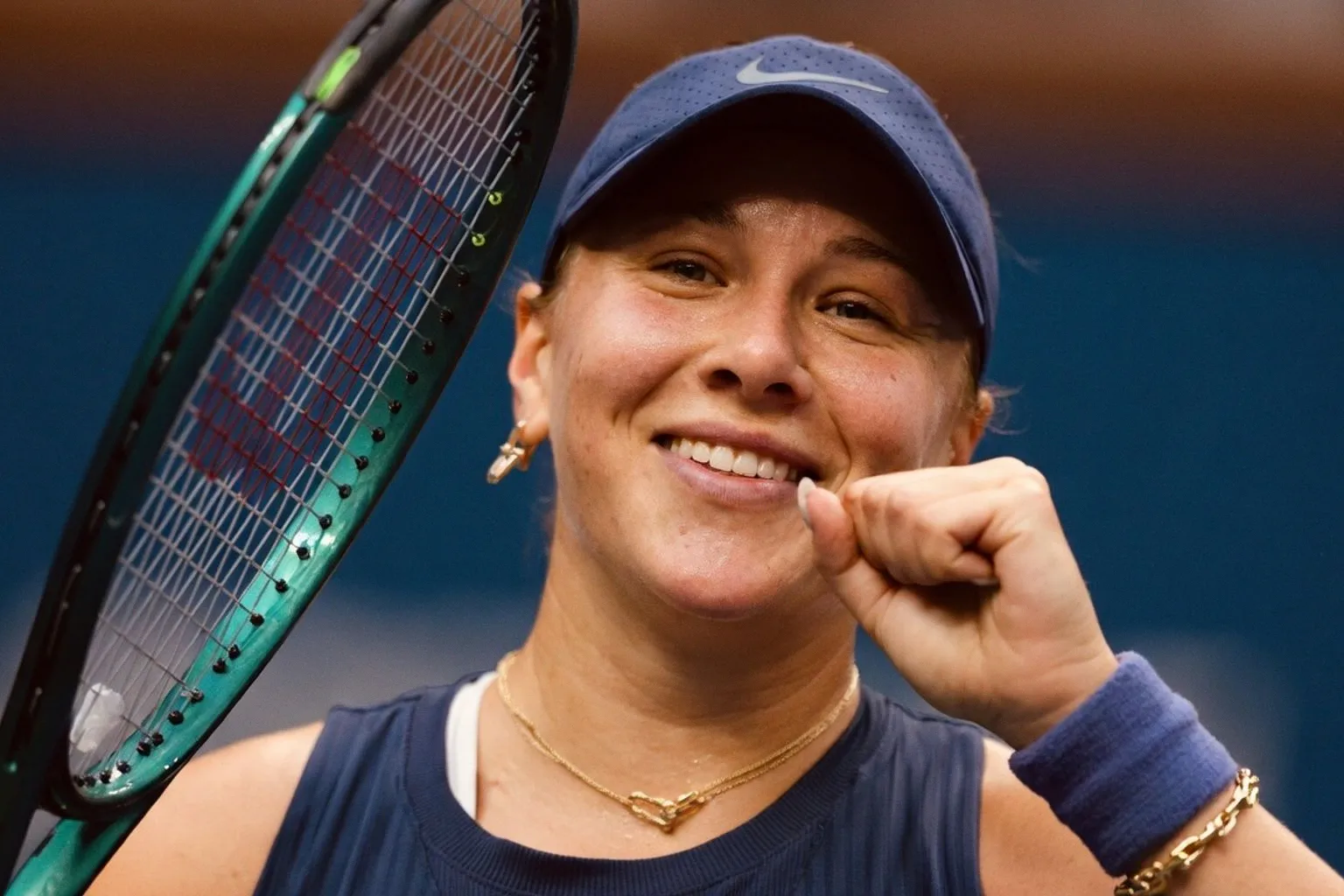
The American, who stepped away from the tour in 2023 to reset, returned to climb back inside the world's Top 10. That arc now sits at the centre of a wider conversation about how elite athletes absorb, and sometimes survive, the relentless rhythm of the circuit.
The pause that reshaped a career
The decision to leave in 2023 was framed, in Anisimova's own words at the time of the partnership announcement, as an intentional reset rather than a concession. "Taking a break from tennis gave me the time and space I needed to reset," she said. "The experience taught me that a break doesn't mean you've lost your drive. It can be exactly what you need to come back stronger, with a fresh perspective and greater confidence." The phrasing matters on a tour where every off-season is dissected, every ranking slip treated as evidence of decline — the language of stepping away is rarely this deliberate, and almost never this public.
The return, and what the tour actually asks of a body
What followed was not a slow rebuild but a sharp ascent back into the elite tier, a trajectory that has placed her among the Top 10 on the women's side. The physical context is worth sitting with: the WTA calendar is a chain of surface changes — hard courts in North America giving way to clay in Europe, then grass, then the hardcourt swing again — each switch testing the tendons, the footwork patterns, the timing built over years of repetition. A player who steps away for an extended period forfeits that accumulated rhythm. Returning to it, and returning to the Top 10, is a measure of how much of the craft lives in the body rather than the highlight reel — in the split-step, the breathing between points, the small calibrations that no coach can fully substitute for.
A wider conversation the sport is only beginning to have
Anisimova's story is now being picked up beyond the results page. Health and Me has run a piece examining how her break sheds light on burnout among elite athletes, while Cleveland.com has published a separate look at student athlete burnout featuring a UH doctor's warning signs. Read together, they suggest a discourse that is widening — from professional comebacks to the pipeline that feeds them. For fans who watch the game only through scorelines, the reminder is a useful one: behind every ranking climb is a schedule that does not pause for the player's wellbeing, and the choice to step off that treadmill is, as Anisimova herself framed it, an act of construction rather than retreat.