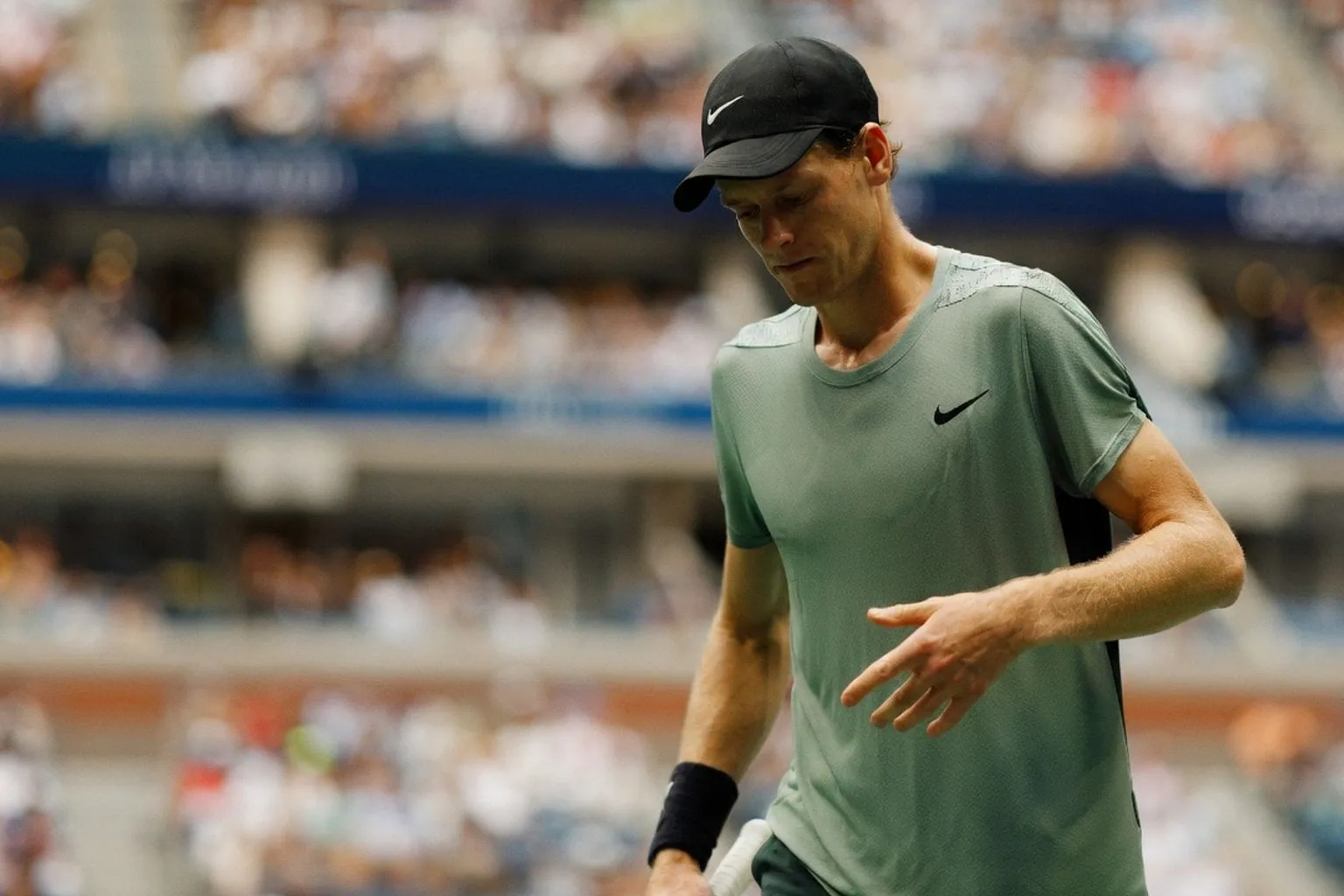
Carlos Alcaraz, sitting at the third round of the 2026 US Open as the world No. 3, did not spend his time at the microphone discussing his forehand — instead, as Sports Illustrated reports, the Spaniard declared the ATP schedule "impossible" and announced he would begin skipping tournaments, taking long breaks of a month or two rather than chasing every event on the calendar.
The Physical Case
Alcaraz was not complaining in a vacuum. With sixteen names on this year's US Open withdrawal list, the tour has begun to feel less like a procession of champions and more like a triage ward — and the body, after all, is the first court any player must learn to read. Jannik Sinner reluctantly pulled out of this year's US Open with a knee injury after already skipping Cincinnati, marking the first Grand Slam Sinner has missed since 2019.
That court has its own seasons, and the PTPA has begun to chart them. The association released research drawing on more than thirty thousand matches over eight years, showing upper body injuries to be significantly more common among professional tennis players today than they were in the late 2010s. The researchers identified predictable injury clusters in April, August, and October — the months that wrap around Grand Slams — and explicitly called out event scheduling density as a modifiable external condition contributing to these trends. After a wave of Canadian Open withdrawals, the PTPA stated plainly that the evidence suggests the season is too long, recovery time is shrinking, and injuries are occurring earlier and becoming more severe.
The Other Side of the Net
But the calendar has always been long — scheduling has always been a negotiation between bodies and economics, between the grit of a clay spring and the friction of an indoor autumn. Critics of the "too long" argument point out that the issue may not be calendar length so much as calendar architecture: how rest weeks are placed, how surfaces are sequenced, how many mandatory events a top player must enter.
As Front Office Sports reports, top players have paused their public battle with the Grand Slams — a tactical retreat that suggests the conversation is shifting from protest to negotiation. And on the format itself, Tennishead notes that Jessica Pegula's coach has proposed a change to best-of-five tennis, hinting that the length of matches — not just the length of seasons — is now part of the same debate.
What to Watch
The question is no longer whether the calendar is too long, but where the sport is willing to trim. Keep an eye on the PTPA's injury data as the 2027 schedule takes shape, and on any collective move from the players' side. The walkover that retired Alexander Blockx mid-match against Karen Khachanov at this US Open, as Yahoo Sports explained, may be the most common vocabulary on tour right now — and that, more than any ranking, tells you something about the state of the court beneath the calendar.