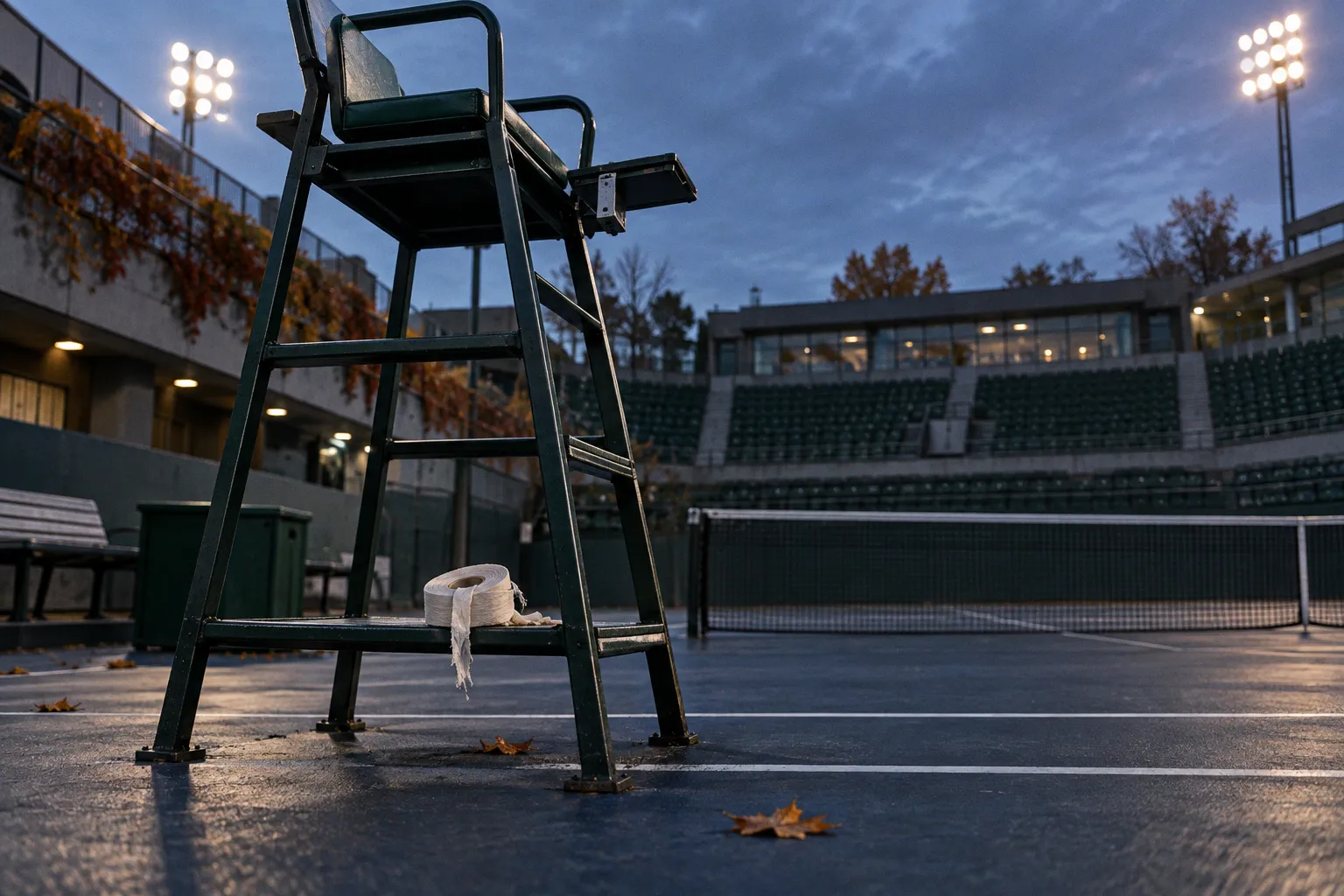
When the Cool One Breaks the Other
Three days ago, Aryna Sabalenka stood on a court somewhere and watched Elena Rybakina walk away with another win. The Belarusian's response — picking up a racket and destroying it — told us more about the state of this rivalry than any scoreline. She later described it, plainly enough, as "really tough." That word lands differently when it comes from a player who built her entire reputation on refusing to be the one who unravels. Sabalenka is the storm. Rybakina is the wall. And lately, the storm keeps breaking itself against the wall.
Rather than dressing the matchup up in neutral language about "great competition" or "two power players," he reached for the men's side of the sport's memory and placed Rybakina and Sabalenka inside it. Two legendary rivalries, in his telling. The implication is that this has stopped being a series of matches and started becoming a reference point.
The Psychology Behind the Smash
Racket destruction from Sabalenka is not a new behaviour, but the timing of it is revealing. It is what happens when a player who survives on controlled aggression meets a pattern she cannot solve. Rybakina does not need to overwhelm you; she simply refuses to give you the ball you want, on the terms you want it. The cognitive load of playing her is its own kind of attrition — every point is a negotiation you are slowly losing. For a ball-striker as gifted as Sabalenka, that is intolerable. The racket is not anger at Rybakina. It is anger at herself for not finding the key.
There is also the matter of reputation. Sabalenka has cultivated the image of the unflappable front-runner, the woman who serves her way out of danger and never lets the scoreline touch her face. Watching that facade crack — even briefly, even with a laugh in the press room afterwards — is the kind of data point that opponents file away. Rybakina certainly has.
What to Watch Next
The interesting question is not whether Kafelnikov's comparison holds up. It is whether Sabalenka can stop treating Rybakina as a puzzle and start treating her as a condition. The rivals she will be measured against — whoever they end up being in the men's historical catalogue — won because one player eventually decided that the other's strengths were simply the price of entry, not an obstacle to be overcome. Until Sabalenka reaches that same resignation, the smashed rackets will keep telling the story before the scoreline does.