particular kind of admission hiding inside the phrase "the best part of tennis," and Jessica Pegula just made it on the record ahead of the US Open.
A question that shouldn't need asking
A segment currently circulating via Mshale — credited to Mark Knowles and Tariq Lamptey and framed around Pegula's coaching setup — has opened with the kind of question most professionals would prefer to leave in the locker room: why do players stop enjoying this? Not "struggle with form." Not "battle fatigue." Stop enjoying it.
That distinction is doing serious structural work. Form is a mechanics problem; a coach adjusts a grip, drills a footwork pattern, and the numbers respond. Enjoyment is a cognitive-architecture problem. It lives deeper, builds slower, and responds badly to the same toolkit. When someone inside a top-tier player's orbit is willing to put that question on the table publicly, the safest assumption is that the unnamed version has already been doing quiet damage behind closed doors.
It also tells you something about the current state of the tour's mental-health conversation. Half a decade ago, this framing would have been filed under athlete complaints and politely ignored. Today, a coaching-adjacent discussion gets a public airing because the audience — and the players themselves — have stopped accepting that burnout is a private failure rather than a structural outcome.
Pegula's quiet tell
Then comes the Tennishead report: Pegula crediting Alex Eala with helping elevate what she describes as "the best part of tennis" ahead of the Open. Read that phrasing twice. Not the highest-paying part. Not the ranking-defining part. The best part — meaning the component of the sport that, when the scoreboard is irrelevant and the cameras are off, still justifies showing up.
You don't develop vocabulary for "rescuing the best part" unless the best part has, at some recent point, been in need of rescuing. It's the same linguistic tell you see in athletes who suddenly reach for "remembering why I started" — a line that only surfaces after the answer has gone blurry.
What to actually watch at Flushing Meadows
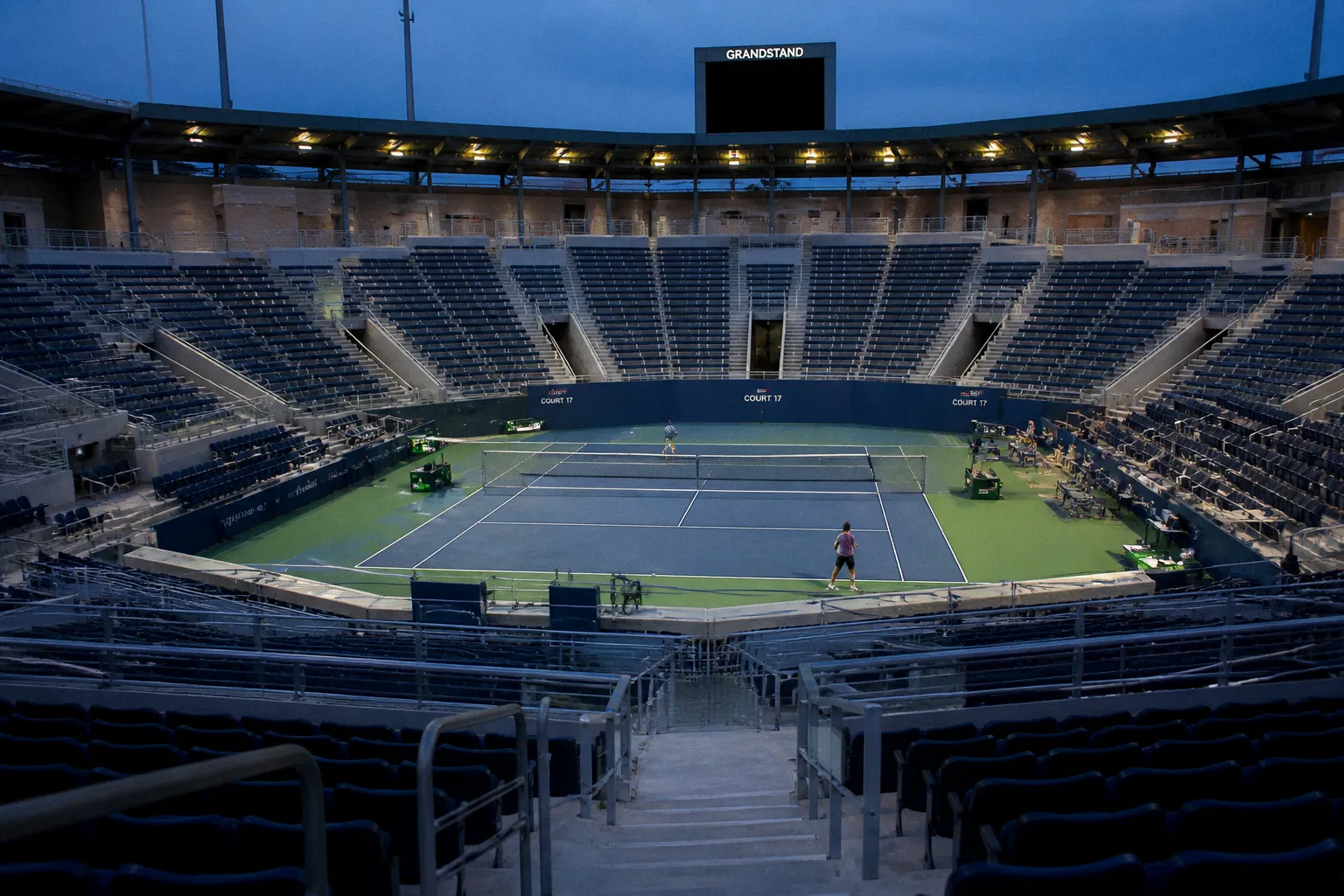
The US Open is, inconveniently, the worst possible tournament to be airing this conversation publicly — and therefore precisely the right one. New York compresses every rally into a referendum. The crowd is loud, the courts are fast, and the margin for cognitive drift shrinks toward zero. If Pegula's camp has chosen now, a fortnight out from the Open, to put the enjoyment question on the table, treat it as a tell rather than a talking point.
Watch between points, not on them. Watch whether her feet stay light after a missed first serve, or whether the shoulders tighten before the second. Watch the walk back to the baseline after a lost break point — whether the recovery is mechanical or whether the mask slips for a half-second. The mechanical answers will follow the psychological ones, or they won't follow at all. Either way, the scoreline alone won't tell you what you actually want to know.